

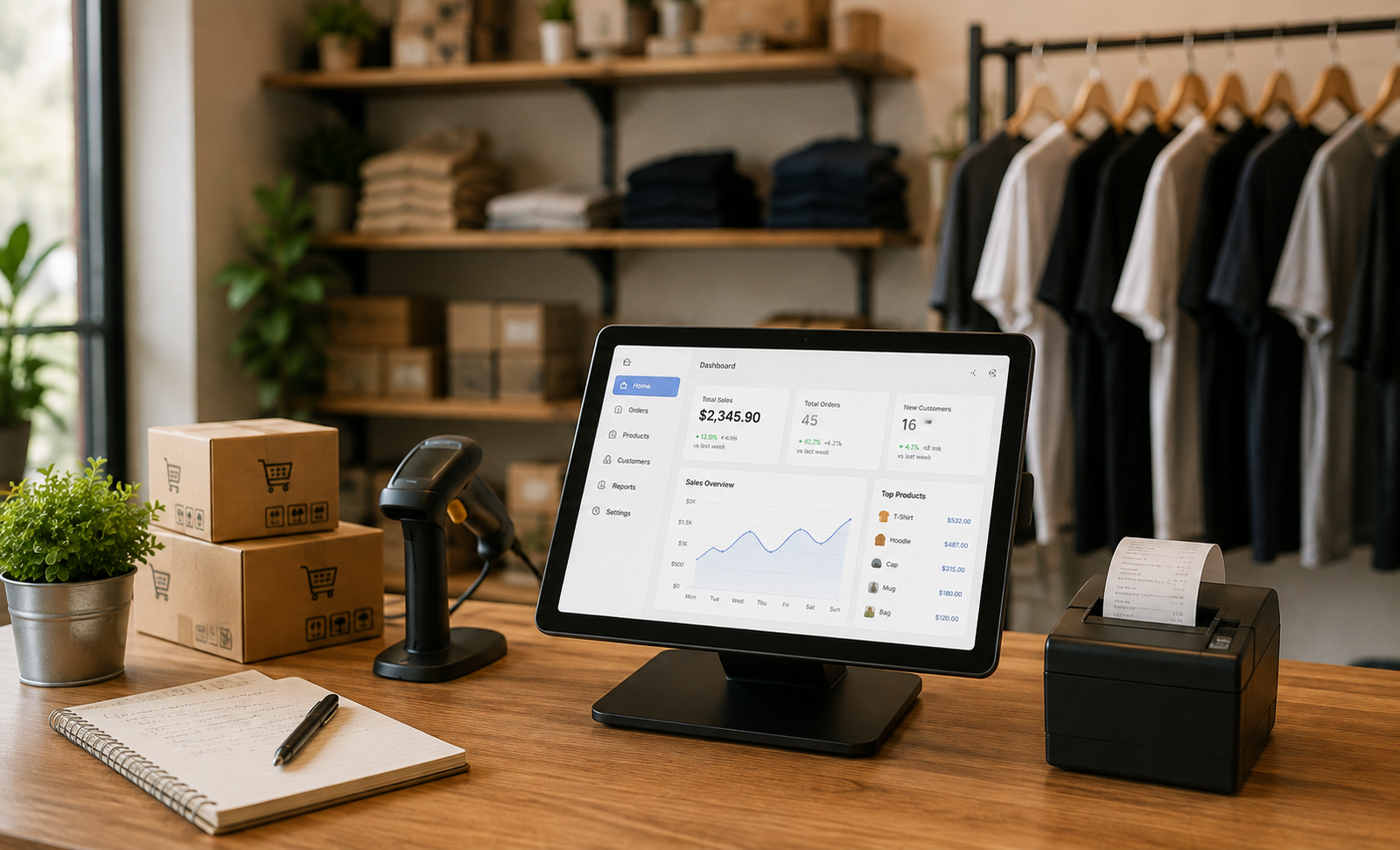
Ask five shop owners which point-of-sale system they trust, and you’ll get five different answers, usually delivered with an eye roll. That’s the weird thing about doing an honest shop management software reviews comparison — nearly everyone’s already been burned once by a slick sales pitch.
I’ve sat through demos where the rep dodged pricing questions, and testing sessions where the inventory count somehow grew a mind of its own overnight. So this piece isn’t dressed-up marketing pretending to be advice. It’s a real shop management software reviews comparison, built from poking around these platforms, checking the fine print, and asking what happens the moment your payment processing stalls mid-sale. Grab your chai, we’re diving into the messy parts nobody puts in the brochure.
Why This Shop Management Software Reviews Comparison Actually Matters

Here’s the thing nobody tells you upfront: most shop owners don’t switch software because they wanted to. They switch because something broke at the worst possible moment.
A cashier couldn’t process a return. A sync error doubled an order. The support line put them on hold for forty minutes during a Saturday rush.
So when you’re reading any shop management software reviews comparison, you’re not really shopping for features. You’re shopping for fewer 2 a.m. panic moments.
What Shop Management Software Actually Does, Day to Day
Strip away the buzzwords and it comes down to four jobs: ring up sales, track what’s on the shelf, keep tabs on staff, and hold onto customer info without leaking it.
Fancier platforms bolt on loyalty programs, e-commerce sync, and analytics dashboards. Nice extras. Not the core job.
I’ve noticed smaller shops get seduced by the extras and forget to test the boring stuff — like whether the barcode scanner actually talks to the register without lag. Test the boring stuff first.
The Real Cost Nobody Puts on the Pricing Page
Every vendor advertises a monthly fee. What they bury is everything else: hardware deposits, payment processing rates, add-on modules, and the “premium support” tier you’ll eventually need.
I’ve watched a $29/month plan balloon to $140 once you add a second register and card reader. That’s not a scam, exactly. It’s just how these companies structure things.
Before you commit, ask for a full quote with hardware, processing fees, and support included — not just the sticker price. Get it in writing.
Inventory Tracking: Where Most Systems Either Shine or Fall Apart
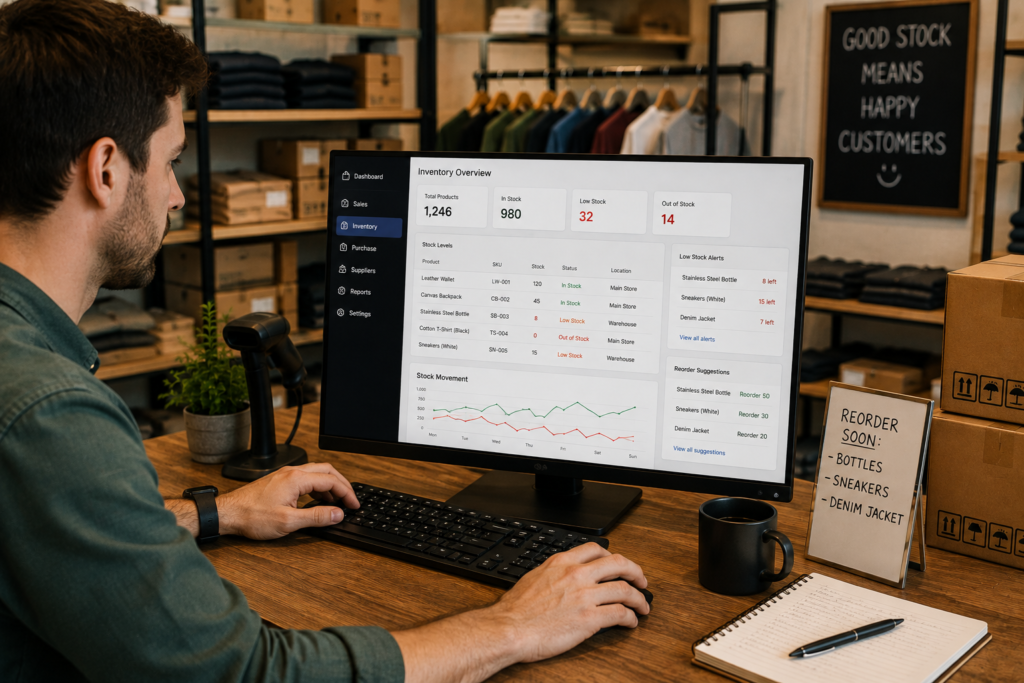
This is the feature that separates the genuinely useful platforms from the pretty-but-hollow ones. Real-time stock counts across multiple locations, low-stock alerts, and automatic reorder suggestions save actual hours every week.
Some systems still rely on manual syncing, which sounds fine until you oversell an item that’s technically out of stock. That’s an awkward phone call to make.
If your shop carries more than a few hundred SKUs, don’t settle for anything that batches updates instead of tracking live.
Payment Processing and the Fees Hiding in Fine Print
Card processing rates vary wildly, and some platforms lock you into their own processor whether you like it or not. That restriction alone should factor heavily into any shop management software reviews comparison you’re running.
Ask specifically: can you use an outside processor? Is there a penalty for doing so? What’s the rate on tapped versus swiped cards?
Small percentage differences add up fast once you’re processing real volume.
Employee Management Tools Worth Paying Attention To
Shift scheduling, role-based permissions, and sales-per-employee reporting sound like nice-to-haves until you’re managing five part-timers and a busy weekend rush.
Permission controls matter more than people expect. You don’t want a new hire able to issue refunds or delete transaction history on day one.
Look for granular access levels, not just an “admin or not” toggle.
Customer Data and Loyalty Features Compared
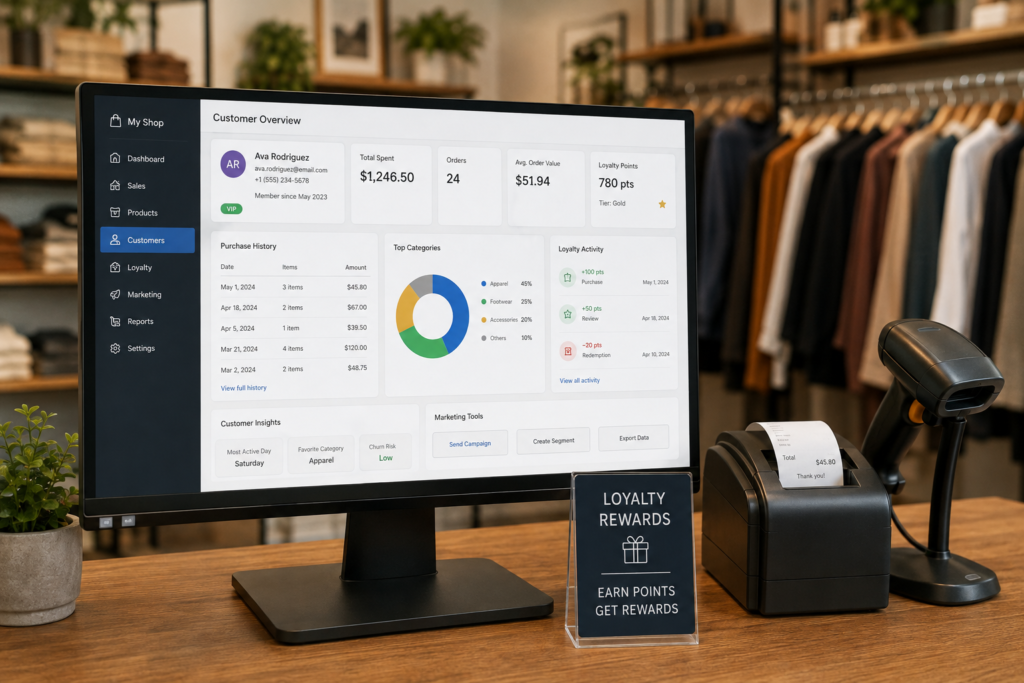
A decent system stores purchase history and lets you build simple loyalty rewards without needing a separate app. A great one lets that data actually inform your restocking and marketing decisions.
Some platforms treat customer data as an afterthought, cramming it into a clunky notes field. Others build entire CRM layers around it.
Decide early how much you actually care about this — it shapes which tier of software fits your shop.
Cloud-Based vs On-Premise: Which One Actually Fits a Small Shop
Cloud-based systems win on flexibility. You can check sales from your phone, push updates instantly, and add locations without new servers. On-premise setups win on one thing: they still work when the internet goes down.
For most retail shops, cloud wins the argument. Outages are rare, and the convenience outweighs the risk for the vast majority of setups.
If you’re running something adjacent, like rental units instead of a sales floor, the calculus shifts a bit — worth a look at this property management software comparison if that’s closer to your situation.
Ease of Setup: How Long Before You’re Actually Selling
Some platforms let you start ringing up sales within an hour of signup. Others require a multi-week onboarding process with a dedicated rep walking you through configuration.
Neither approach is inherently better. A fast setup can mean less hand-holding when you need it; a longer one can mean fewer mistakes down the road.
Ask the vendor directly how long a typical shop takes to go live, and get a straight number, not a vague “it depends.”
Customer Support: What Happens When Something Breaks
This is where reviews get honest fast. Search any forum and you’ll find shop owners venting about being stuck on hold during a busy Saturday while their register froze.
Test support before you buy, not after. Send a pre-sales question through their actual support channel and time the response.
If it takes three days to answer a simple question before they have your money, imagine the wait after they do.
Popular Shop Management Software Options Compared
A handful of names come up constantly in any shop management software reviews comparison: Square, Lightspeed, Vend (now part of Lightspeed Retail), Clover, and Shopify POS.
Each targets a slightly different shop size and style. Square leans toward simplicity and low upfront cost. Lightspeed leans toward retailers with heavier inventory needs. Clover leans hardware-forward with flexible add-ons.
Rather than trusting any single glossy roundup, it’s worth cross-checking rankings against a broader database — Capterra’s retail POS category pulls from thousands of verified user reviews rather than a single editorial team’s opinion.
Square vs Lightspeed vs Clover: A Quick Head-to-Head
Square wins on affordability and speed to launch — genuinely one of the fastest setups I’ve tested. Lightspeed wins on inventory depth, especially for shops with hundreds of variants like apparel or specialty goods.
Clover sits in the middle, with solid hardware options but pricing that gets murky once you start adding modules.
None of them is objectively “best.” The right pick depends entirely on your SKU count and how much you care about hardware flexibility.
Security and Compliance Features You Shouldn’t Skip
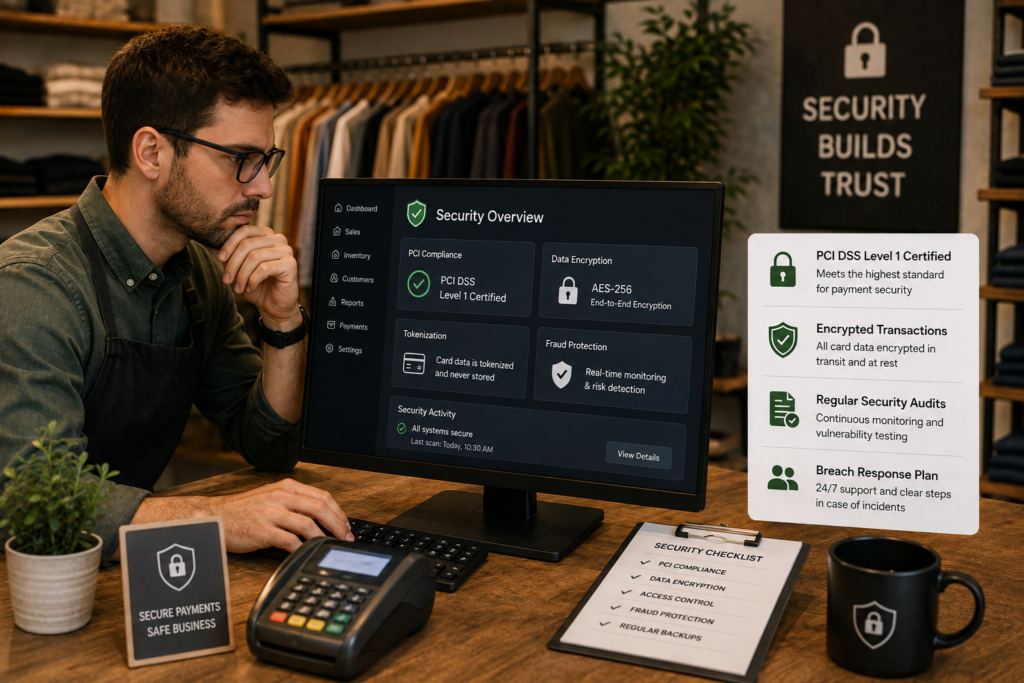
Payment card security isn’t optional, and any platform worth considering should be handling PCI compliance without you needing a computer science degree to configure it.
Ask specifically how they encrypt card data, whether they’re PCI DSS Level 1 certified, and what happens in a breach scenario. For a deeper look at what compliance actually requires, Forbes Advisor’s retail POS breakdown covers how different providers stack up on security alongside pricing and features.
Vague answers here are a red flag, full stop.
Red Flags to Watch For Before You Sign a Contract
Long-term contracts with steep early termination fees. Processing rates that aren’t disclosed until after signup. Reviews that mention sudden price hikes six months in.
I’d also flag any vendor who can’t clearly explain what happens to your data if you cancel. That should be a simple answer, not a shrug.
Trust your gut here — if a sales call feels rushed or evasive, that tends to carry over into the actual product experience.
Making the Final Call for Your Shop
At the end of the day, no shop management software reviews comparison replaces actually trialing the top two or three candidates with your own inventory and staff.
Most platforms offer a free trial or demo account. Use it. Load in real products, ring up a few test sales, and see how it feels under actual pressure, not a canned demo script.
The best system is the one your team stops noticing because it just works.
Frequently Asked Questions
What’s the difference between shop management software and a basic POS system?
A basic POS just processes sales. Shop management software adds inventory tracking, employee permissions, customer data, and reporting tools that help you run the whole operation, not just the register.
How much should a small shop budget monthly for this kind of software?
Expect somewhere between $60 and $200 monthly once you include processing fees and hardware, depending on transaction volume, number of registers, and which add-on modules your shop actually needs.
Can I switch shop management software without losing my sales history?
Most reputable platforms offer data export and import tools, though formatting issues are common. Always request a migration walkthrough from the new vendor before canceling your old subscription entirely.
Is cloud-based shop management software safe for storing customer payment data?
Yes, provided the platform is PCI DSS compliant and encrypts card data properly. Ask vendors directly about their certification level rather than assuming compliance based on marketing claims alone.
Do I need separate software if I also sell online?
Not necessarily. Many modern platforms sync in-store and online inventory automatically, though the quality of that sync varies significantly, so test it before assuming it works seamlessly.
Conclusion
If there’s one thing this whole shop management software reviews comparison should leave you with, it’s a healthy skepticism toward anything that sounds too polished. Real software has quirks. Real support teams sometimes put you on hold. The goal isn’t finding a flawless system — it doesn’t exist — it’s finding one whose flaws you can actually live with.
Start by listing what your shop genuinely needs, not what a sales rep insists you need. If you’re running a tight ship with a few hundred SKUs, something like Square might cover everything without the bloat. If you’re managing a sprawling inventory across multiple categories, the deeper tracking in Lightspeed or a similar platform probably earns its higher price tag.
Whatever you land on, don’t skip the trial period. Numbers on a features page rarely tell you how a system feels during a chaotic Saturday afternoon with a line out the door and a card reader that’s acting up. That’s the real test, and it’s the only one that matters.
Take your time, ask uncomfortable questions about pricing and support, and don’t let a smooth demo talk you out of due diligence. Your future self, mid-rush on a busy weekend, will thank you for it.

An IT career coach with 7 years of experience helping beginners map out certification paths that actually lead to interviews, not just another resume line. He’s guided dozens of career-switchers through their first AWS or CompTIA exam and writes for itechnova.io, covering IT certifications, cybersecurity, and the software tools people actually need to know.