


I’ll admit, property management tech news used to bore me half to death. Not long ago, “innovation” here just meant swapping a paper ledger for a spreadsheet. Now buildings practically talk to the people running them, tenants get real answers from bots instead of hold music, and the whole industry’s sprinting just to keep up.
I’ve been tracking property management tech for a while now, mostly because I got tired of watching property managers reinvent the wheel every time a new tool dropped. So here’s my honest rundown of what’s actually shifting in property management technology, what’s hype, and what you should probably pay attention to before your competitors do.
Some new “game-changing” platform gets announced almost weekly, and half the time it’s just an old idea wearing an AI costume. That’s why this piece exists — to separate the property management tech news that actually changes your workday from the noise dressed up as a press release.
Why Property Management Tech News Actually Matters Now
Most people get this backwards — it was never really about chasing shiny gadgets. It comes down to margins. Rents aren’t climbing like they used to in plenty of markets, costs keep creeping up regardless, and owners keep asking managers to stretch the same headcount across more units. Technology stopped being optional in property management a while back; it’s what separates a small team drowning under a growing portfolio from one keeping its head above water.
Buildium’s own research lines up with this — property managers, they’ve found, lean on tech specifically because profitability pressure is forcing smarter operations, not because growth for its own sake is trendy. That pivot, from “grow no matter the cost” to “grow without wasting money,” explains most of what’s unfolding in property management tech news right now.
AI Leasing Assistants Are Quietly Taking Over Inboxes
I’ll admit I was skeptical about AI leasing bots in property management at first. Chatbots have burned people before, right? But the ones running today are genuinely different. A prospect texts at 9 p.m. asking about pet policies, and instead of waiting until Wednesday for a callback, they get an answer in seconds — sometimes with a tour already booked before the leasing agent even wakes up.
That delay used to cost deals. A slow reply meant the prospect toured somewhere else and never looked back. AI-driven leasing assistants close that gap by handling inquiries around the clock across text, email, and web chat, and honestly, that’s the single biggest leasing change property management has seen in years.
What surprised me most is how naturally these tools handle the annoying, repetitive stuff — square footage, move-in dates, whether a unit allows a 90-pound dog. Freed from answering the same five questions all day, leasing agents actually get time to build rapport with serious prospects instead of triaging inboxes. That shift alone changes how a leasing office feels day to day. It’s less frantic, honestly, and turnover among leasing staff seems to drop when the job stops feeling like a call center — exactly the kind of shift property management tech news keeps circling back to.
I do think there’s a limit here, though. Nobody wants to negotiate lease terms with a bot, and the platforms that pretend otherwise tend to frustrate prospects fast. The good ones know exactly when to step back and route a person in.
Screening Tools Are Catching Fraud Faster Than Humans Can
Fraud is way up — document forgery, fake pay stubs, identity mismatches, the whole ugly list. Screening platforms built for property management are now cross-referencing identity documents against behavioral signals in real time, which sounds a little sci-fi but works. I’ve talked to managers who caught fabricated income documents that would’ve slipped past a tired human reviewer on a Friday afternoon — the sort of story that keeps popping up in property management tech news lately.
Maintenance Requests Are Getting Smarter, Not Just Faster
Maintenance used to be reactive in most property management setups. Something breaks, tenant complains, someone scrambles. That model is dying, slowly but surely. Preventive maintenance platforms now flag equipment likely to fail before it actually does, based on age, usage patterns, and sensor data from the unit itself.
It’s not glamorous, but it saves real money. A water heater that gets replaced on schedule is cheaper than one that floods a unit on a holiday weekend. I’ve noticed the property managers who lean into this stuff spend way less time firefighting and way more time doing the parts of their job that actually require a human brain — a pattern property management tech news keeps flagging.
There’s also a scheduling layer to this that most property management teams underrate. Vendors get dispatched automatically based on urgency, availability, and even weather forecasts in some newer platforms — no more playing phone tag with three different contractors while a tenant waits with a leaking pipe. It sounds small until you’ve lived through the old way of doing it, which was basically chaos held together with sticky notes and hope.
Parts inventory tracking is quietly useful too. Knowing which filters, valves, or fixtures are running low across a whole portfolio means fewer emergency runs to the hardware store at 6 p.m. on a Friday. Small thing, big difference over a year.
Security Cameras Learned To Think For Themselves
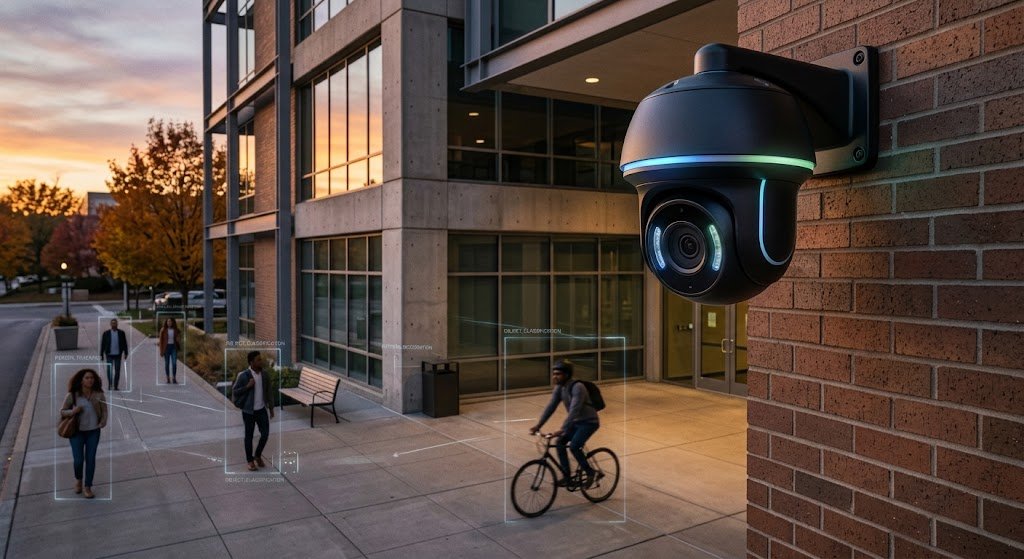
This one caught me off guard a bit, honestly, given how slow property management has usually been to adopt new hardware. Cameras used to just record. Now they analyze — flagging loitering, unusual access patterns, or a door propped open too long, and pushing alerts straight to a manager’s phone instead of sitting in unwatched footage nobody reviews until something goes wrong, which is becoming a fixture in property management tech news.
Some of this overlaps heavily with broader building safety work, and there’s a decent amount of crossover worth reading if security tech interests you beyond just apartment buildings — the public safety technology developments happening right now are shaping how access control gets built into residential properties too.
Cybersecurity Risks Landlords Can’t Keep Ignoring
Okay, this part isn’t fun to write about, but it needs saying. Breaches are expensive for any property management business — genuinely, shockingly expensive when you factor in resident data, payment info, and access credentials all sitting in one system. A single compromised login can expose way more than a spreadsheet ever could — a story that property management tech news covers more and more each quarter.
Smaller management companies especially tend to treat cybersecurity like an IT afterthought instead of an operational priority, and that’s a mistake. It’s worth reading through broader security technology coverage if you want context on how access systems and digital security are converging across industries, not just real estate.
Resident Trust Depends On This More Than People Realize
Nobody wants to live somewhere their property management company got hacked last spring. Trust, once it’s gone, is brutal to rebuild — and residents talk. A breach doesn’t just cost money; it costs reputation, and reputation is basically the whole business — the kind of update that dominates property management tech news cycles.
Smart Buildings And The Rise Of Predictive Repairs
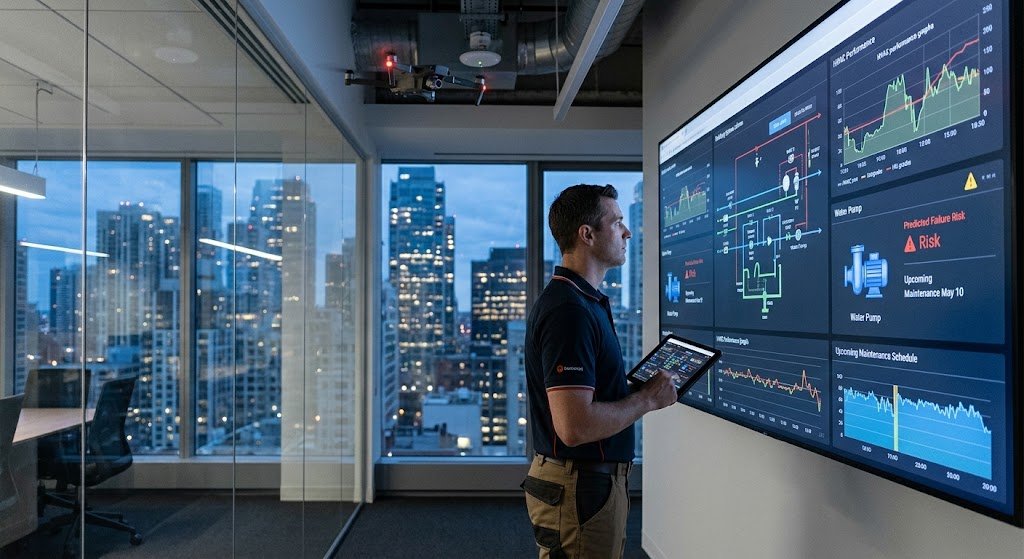
IoT sensors are everywhere now in property management — HVAC systems, water lines, elevators, even parking gates. The data pouring out of these systems lets platforms forecast operational needs with a level of accuracy that would’ve sounded fake five years ago. Weather patterns, tenant behavior, market trends — all of it gets folded into predictions about what a building will need next month, not just next year, a trend property management tech news has been tracking closely.
Buildium’s proptech coverage highlights digital twins and edge computing as part of this shift, describing them as tools that let managers simulate building performance before problems actually happen. That’s a pretty significant leap from “wait for the complaint.”
Staffing Shortages Are Pushing Teams Toward Automation

Good maintenance techs and leasing agents are hard to find in property management right now, and honestly, harder to keep. Automation isn’t replacing these people — it’s covering the gaps when teams are short-staffed, which happens a lot more than owners like to admit, and a lot more than property management tech news usually lets on.
If you’re curious about how the labor side of this industry is shifting alongside the tools, there’s some solid coverage in tech hiring trends worth a look, especially around how automation is reshaping which roles get filled first when budgets are tight.
Funding Is Flowing Into Workforce Tools Too
It’s not just leasing and maintenance software getting investment. Workforce platforms — scheduling, training, retention tools — are pulling in serious funding right now. A lot of that mirrors what’s happening in HR technology funding, where investors are betting heavily on tools that solve staffing headaches across multiple industries, property management included.
Resident Apps Are Becoming The New Front Desk
Remember when property management meant mailing a check or dropping by an office during business hours? That’s basically extinct now. Resident apps handle payments, maintenance requests, package tracking, community announcements — all in one place, on a phone people already check a hundred times a day, a shift property management tech news keeps returning to.
What’s interesting is how these apps are evolving past basic utility into full-blown “resident experience platforms.” Instead of just processing rent, they’re bundling insurance verification, filter delivery reminders, and benefit programs into a single layer sitting on top of the older accounting software underneath. It’s a genuinely different category of tool than what existed in property management even two years ago, and it’s reshaping what tenants expect from day one.
Where Construction Tech And Property Management Collide
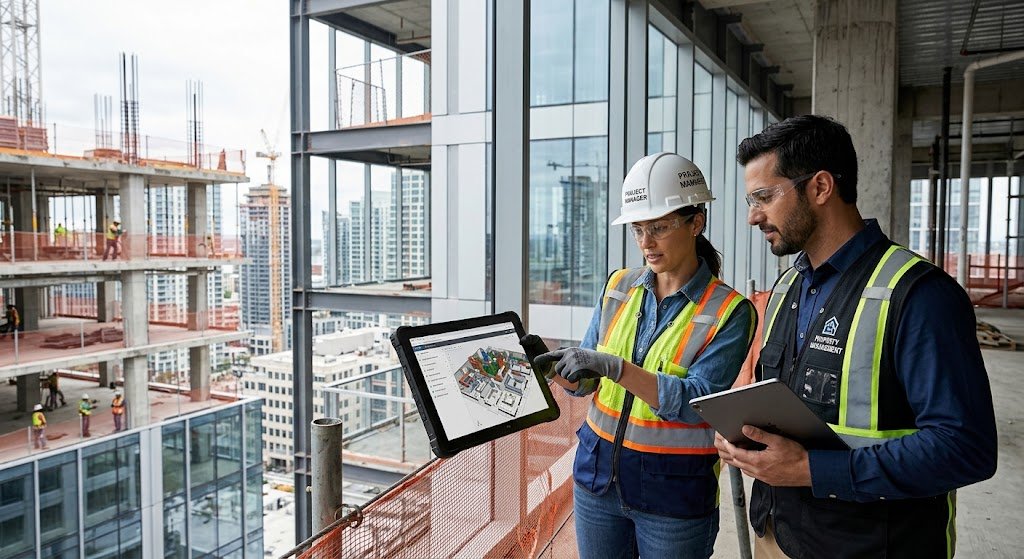
This connection doesn’t get talked about enough in property management circles. New builds increasingly come pre-wired for smart systems — sensors, access control, energy monitoring — baked in before a single tenant moves in. That means property managers inherit tech decisions made months earlier by architects and contractors, whether they had input or not — a detail property management tech news rarely skips.
Understanding how those decisions get made upstream actually helps property management teams later. The architecture and construction technology space is worth following even if you’re not the one pouring concrete, because it directly shapes what tools you’ll be stuck managing later.
Data Privacy Rules Are Getting Harder To Ignore
Regulations around resident data keep multiplying, and honestly, most property management companies are behind on this. Environmental reporting, fair housing compliance, data privacy laws that vary by state — it’s a genuine maze, and getting it wrong isn’t cheap, which is exactly the sort of thing property management tech news obsesses over.
What’s changing is that compliance is finally getting baked into property management software instead of living in someone’s overstuffed binder. Automated checklists, real-time flags for missing documentation, alerts when a policy needs updating before an audit — this stuff used to be manual and easy to let slide. Now it’s harder to accidentally skip a step, which honestly should’ve happened years ago.
I’ll say this plainly: if your current property management technology stack doesn’t help with compliance in some way, it’s probably time to ask why. This isn’t an area where “we’ll get to it eventually” holds up anymore.
How Ancillary Revenue Ties Into All This Tech
Here’s a trend property management folks don’t give nearly enough attention. A lot of the new property management technology isn’t just about efficiency — it’s opening up entirely new revenue lines. Renters insurance programs, credit-building rent reporting, resident benefit packages bundled into monthly fees. None of this existed in a meaningful way a few years back, and it’s now a recurring theme in property management tech news this year.
The smart property management operators are treating these ancillary programs as connected to the resident experience platform, not bolted on separately. A resident who trusts the app they use to pay rent is a lot more likely to opt into a benefits package offered through that same interface. It’s less about upselling and more about making things genuinely convenient — which, when done right, residents actually appreciate.
Budget Traps Property Managers Keep Falling Into
I’ve watched more than a few property management teams blow through a tech budget chasing every shiny new tool that shows up in a sales email. Here’s my blunt opinion: most portfolios don’t need ten disconnected platforms. They need three or four that actually talk to each other — a lesson property management tech news repeats every single quarter.
A disconnected stack creates more work for property management staff, not less — someone has to manually reconcile data between systems that should’ve been integrated from the start. Pick tools that share data cleanly, or don’t bother.
What’s Actually Worth Buying Right Now
If I had to rank property management priorities for a portfolio starting from scratch, it’d go something like this: digital resident portals first, because they’re cheap and residents notice immediately. Maintenance automation second, since it pays for itself through fewer emergency repairs. AI leasing tools third — genuinely useful but only once your lead volume justifies it. Everything else, including the fancier IoT dashboards, can wait until the basics are solid — which, honestly, is advice property management tech news doesn’t repeat often enough.
That’s not the flashiest advice, but it’s the honest one for property management budgets. Chasing every trend at once is how money disappears without much to show for it.
Frequently Asked Questions
Is AI actually reliable enough for property management leasing conversations?
For routine questions — pricing, availability, pet policy — yes, mostly. Complex negotiations still need a human, and most good platforms hand those off automatically.
Do small property management companies really need cybersecurity tools?
Yes, arguably more than large property management firms. Smaller teams often have weaker defenses and just as much sensitive resident data sitting exposed.
Will smart building tech actually lower property management maintenance costs?
Usually, yes, over time. The upfront sensor investment pays back through fewer emergency repairs and longer equipment lifespans.
How fast is property management technology actually changing?
Faster than most owners realize. What felt cutting-edge two years ago is closer to baseline expectation now.
Should I replace my entire property management tech stack at once?
No — phase it. Start with high-impact, low-cost tools, then layer in more sophisticated systems once the basics are running smoothly.
Final Thoughts
Look, nobody’s saying you need to become a software expert to handle property management well. But pretending technology is optional in property management tech news right now just isn’t realistic anymore — the margins don’t allow for it, and residents expect more than they used to. Start small, pick tools that actually integrate, and don’t let a sales pitch talk you into buying something your portfolio doesn’t need yet.
If any of this sparked a question about your own property management setup, drop it in the comments — I read them, and I’m always curious what’s actually working (or not) for people managing real portfolios day to day.

An IT career coach with 7 years of experience helping beginners map out certification paths that actually lead to interviews, not just another resume line. He’s guided dozens of career-switchers through their first AWS or CompTIA exam and writes for itechnova.io, covering IT certifications, cybersecurity, and the software tools people actually need to know.